Four elements, one crystal
Pure spinel (MgAl₂O₄) is colourless. Every hue on the wheel above comes from trace amounts of one of four metals slipping into the crystal lattice in place of magnesium — the same handful of chromophores that also colour ruby, emerald and sapphire.
The same stone, two lights
A high chromium-to-iron ratio doesn't just deepen colour — it drives strong red fluorescence under long-wave UV. In Mogok material this glow is intense enough to use as a field test. Drag the divider.
Same stone, same crystal — same component will work for alexandrite's daylight / incandescent colour-change once we build that atlas.
One word, two different stones
A lab certificate names one point in a two-dimensional space. Saturation is how intense the colour is — dull to vivid. Tone is how light or dark it is — independent of saturation. Two stones can share the exact same saturation grade and still look nothing alike, because the label says nothing about where they sit on the other axis.
This is the same three-axis framework behind every atlas we publish — read the full Lithós Colour Standard →
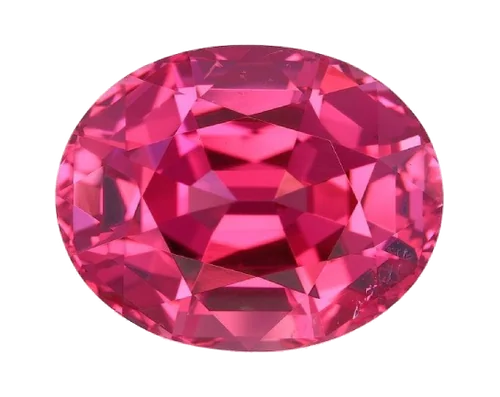
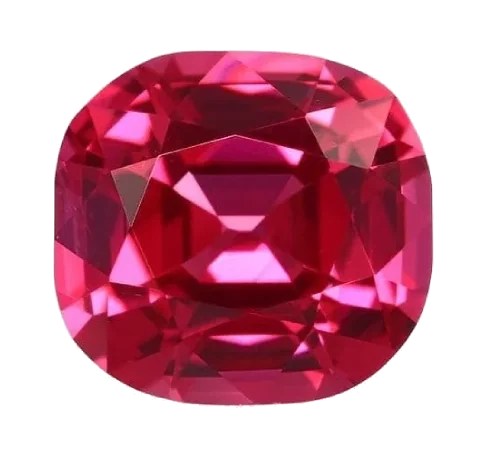
Color grading isn't guesswork — someone measured all of it
Here's a genuinely reassuring thing about buying color-graded gemstones: the words on a certificate — "vivid," "pinkish red," "intense" — aren't a salesperson's opinion. Independent labs actually plot every possible color a gemstone can be onto a numbered wheel, the same way a paint store has an exact number for every shade on the shelf.
Every gemstone color, mapped and numbered
Published by an independent Swiss gem-grading lab (Bellerophon Gemlab). Each ring is a step darker toward the center; each slice is a different hue.
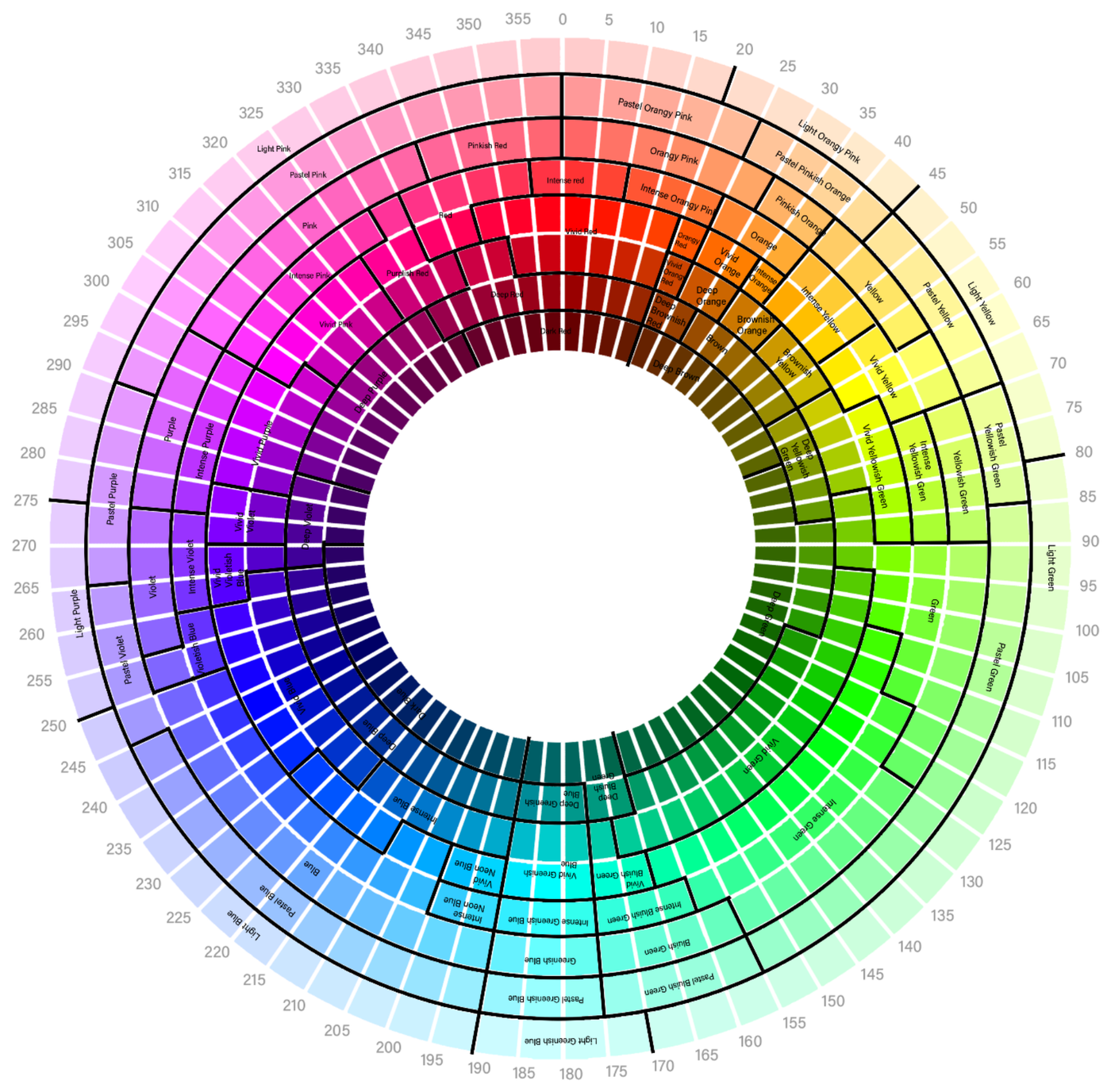
The practical upshot for you as a buyer: when two different labs both call a stone "vivid red," they're not just using the same friendly word — they're independently landing on the same measured spot on a map like this one. That's what makes a certificate worth something.
Zooming into red — where "vivid" actually sits
Take just the red-and-pink slice of that wheel and lay it out flat, and this is what you get. Hue runs left to right — purple-leaning reds on the left, orange-leaning reds on the right (exactly the "orangy red" vs "pinkish red" distinction we've talked about for spinel). Saturation climbs from top toward the middle; brightness falls from the middle toward the bottom.
Overlay the trade names on that same grid, and every name suddenly has an exact address instead of a fuzzy impression. Hover the diagram below — or tap the button on mobile — to bring the names up.
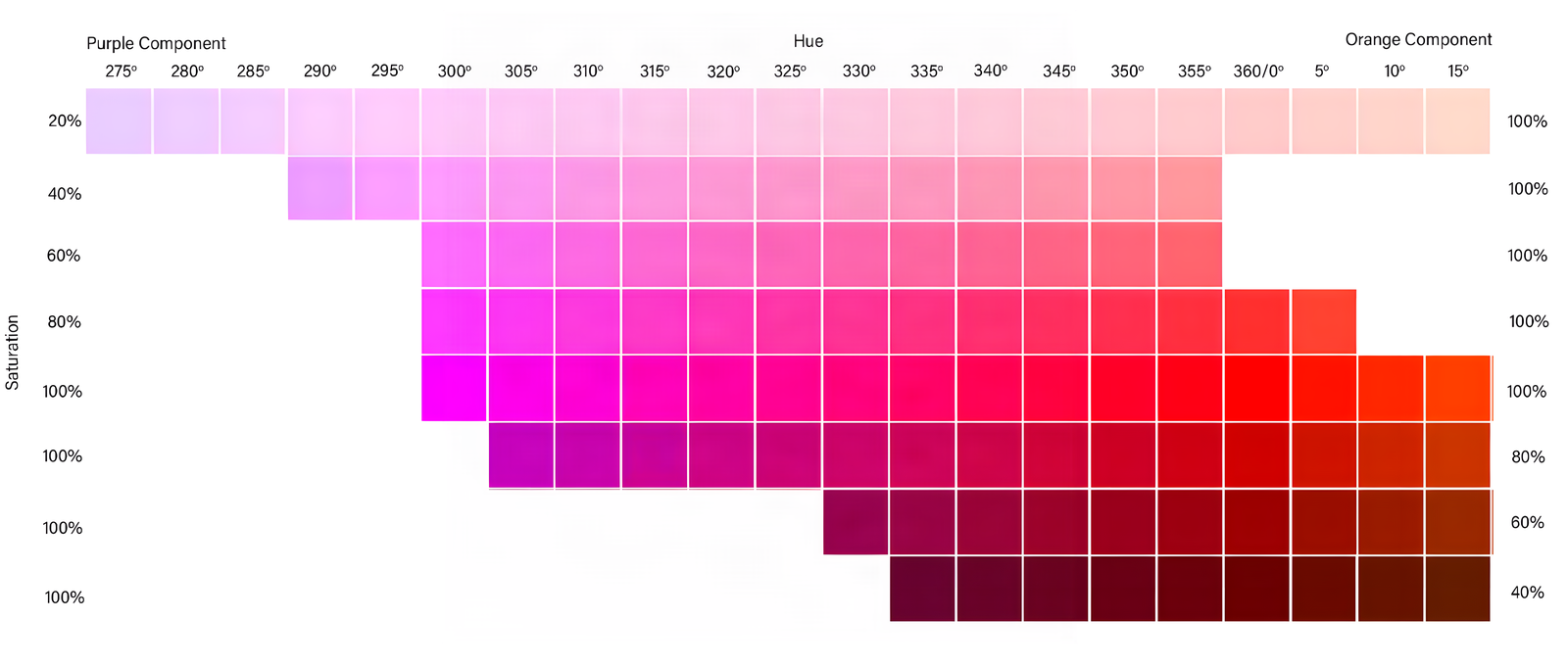
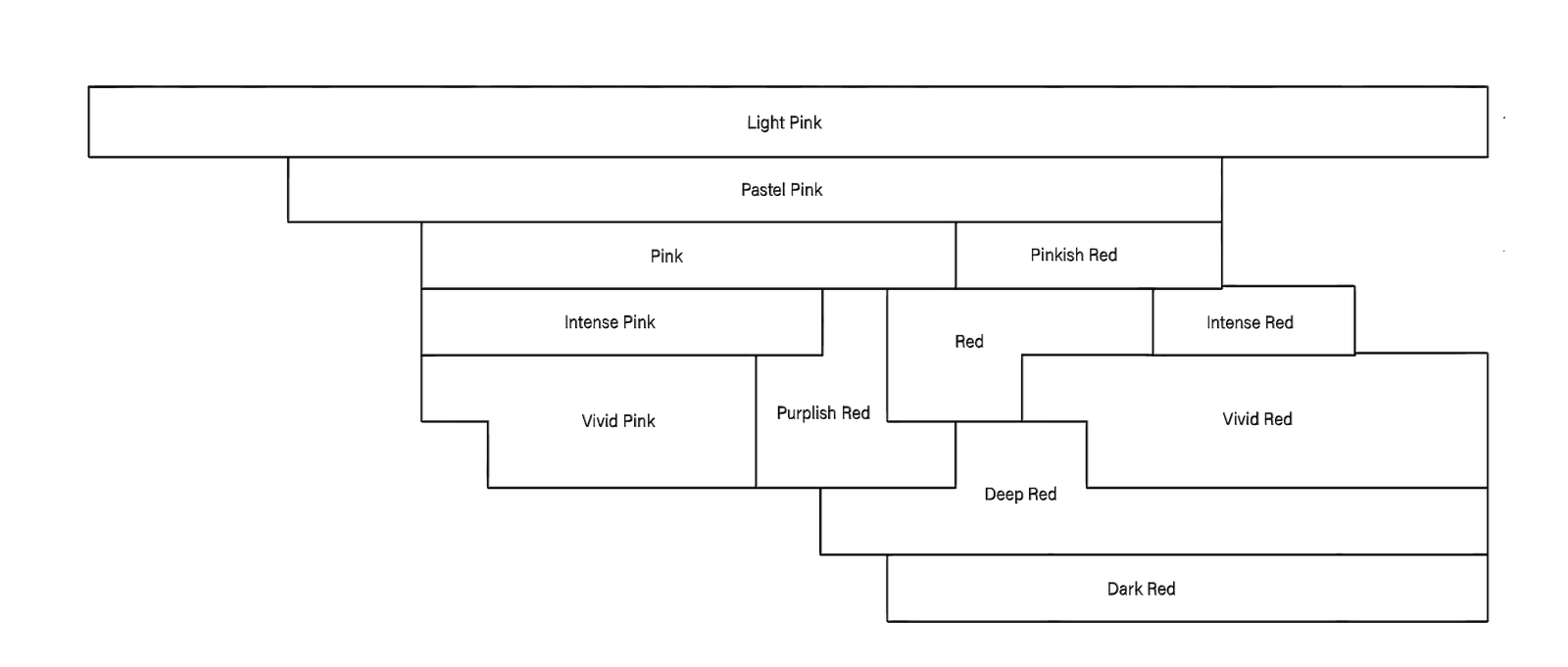
Notice "Vivid Pink" and "Vivid Red" sit on opposite ends of the same saturation band — same intensity, different hue. That's exactly the Pink vs. Red split on our own spinel wheel, drawn by an independent lab using a completely different method.
Why the same spinel can look different in two photos
Light doesn't just bounce off a gemstone — it travels through it, bends, and comes back out, and where it goes depends entirely on the angles the cutter chose. Four things happen at once inside every cut stone. Tap each one below.
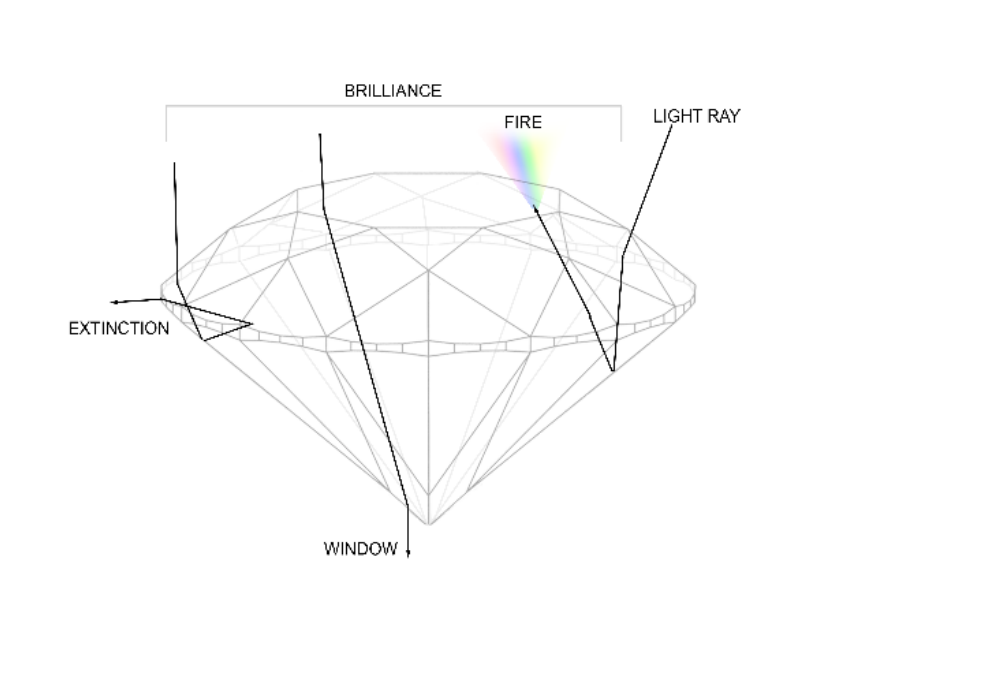
Brilliance
The overall percentage of light that bounces back out toward your eye. This is the baseline "liveliness" of a stone — higher brilliance means less light is escaping out the back or getting trapped and dying inside.
Four degrees. That's the whole difference.
These three stones have the exact same color chemistry — identical chromophores, identical hue. The only thing that changes between them is the pavilion angle, and the gap is tiny: 4° below the critical angle, right at it, or 4° above.
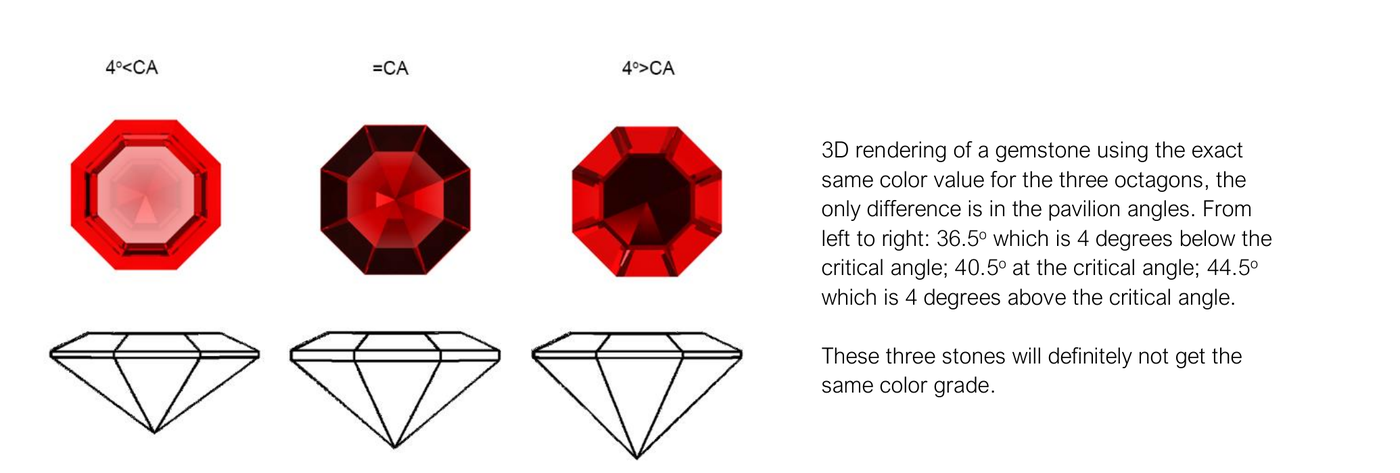
Left: too shallow — washes out into a window. Middle: at the critical angle — clean and even. Right: too steep — falls into extinction. Same stone, same rough, three completely different-looking results, and three different grades on a certificate. This is why we keep saying cut isn't cosmetic — it's a real, measurable part of what you're paying for.
Color zoning — how labs actually measure "evenness"
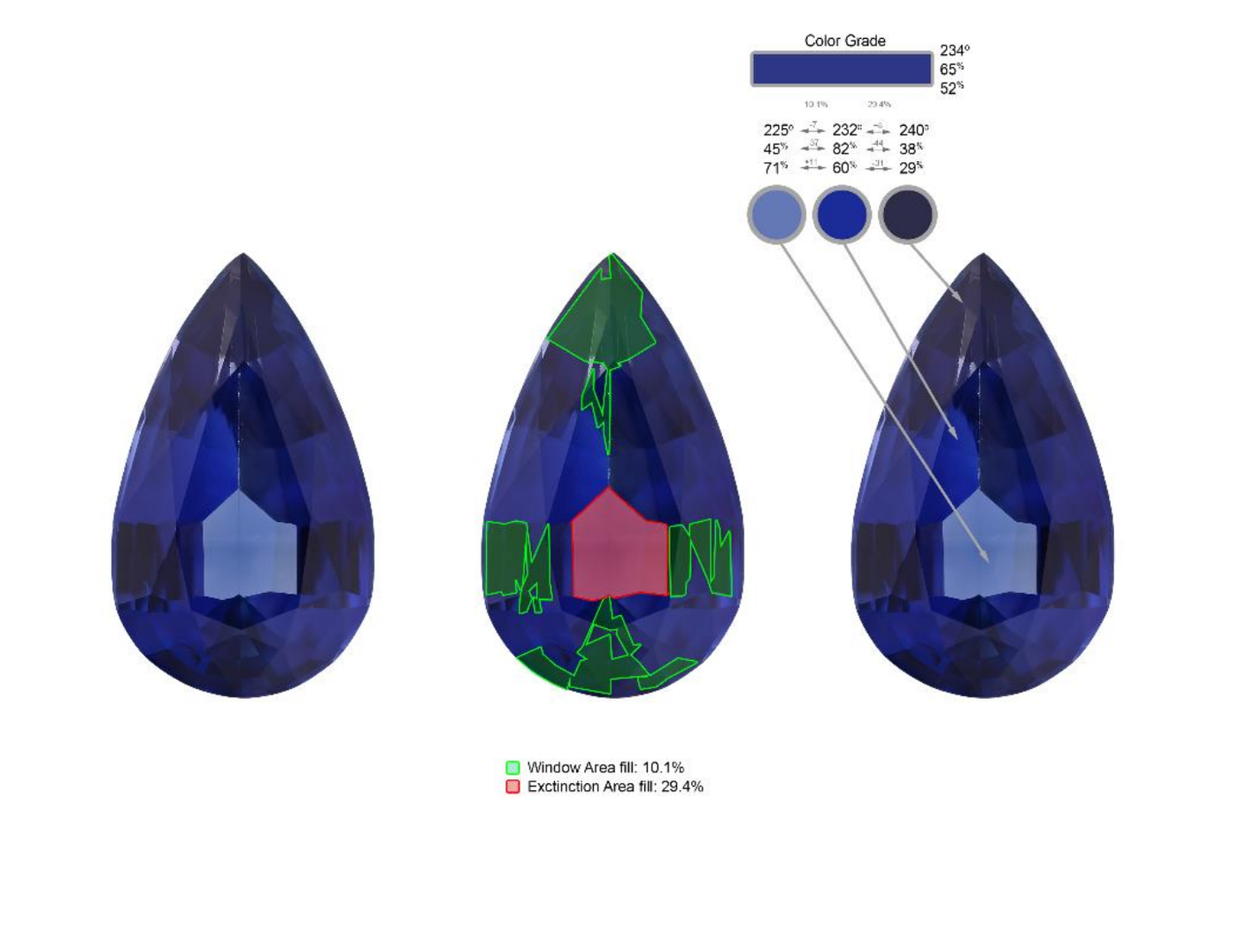
This is a real worked example from an independent lab — not a spinel, but the method is identical for every colored stone, ours included.
Left: the raw stone. Middle: the lab maps exactly which parts of the face-up view are "window" (green — light passing straight through, weakening the color) versus "extinction" (red — light trapped and going dark). Right: the final grade — not a guess, but a weighted average of the main body color plus those two zones, sized by how much face-up area each one actually covers.
One stone, more than one name
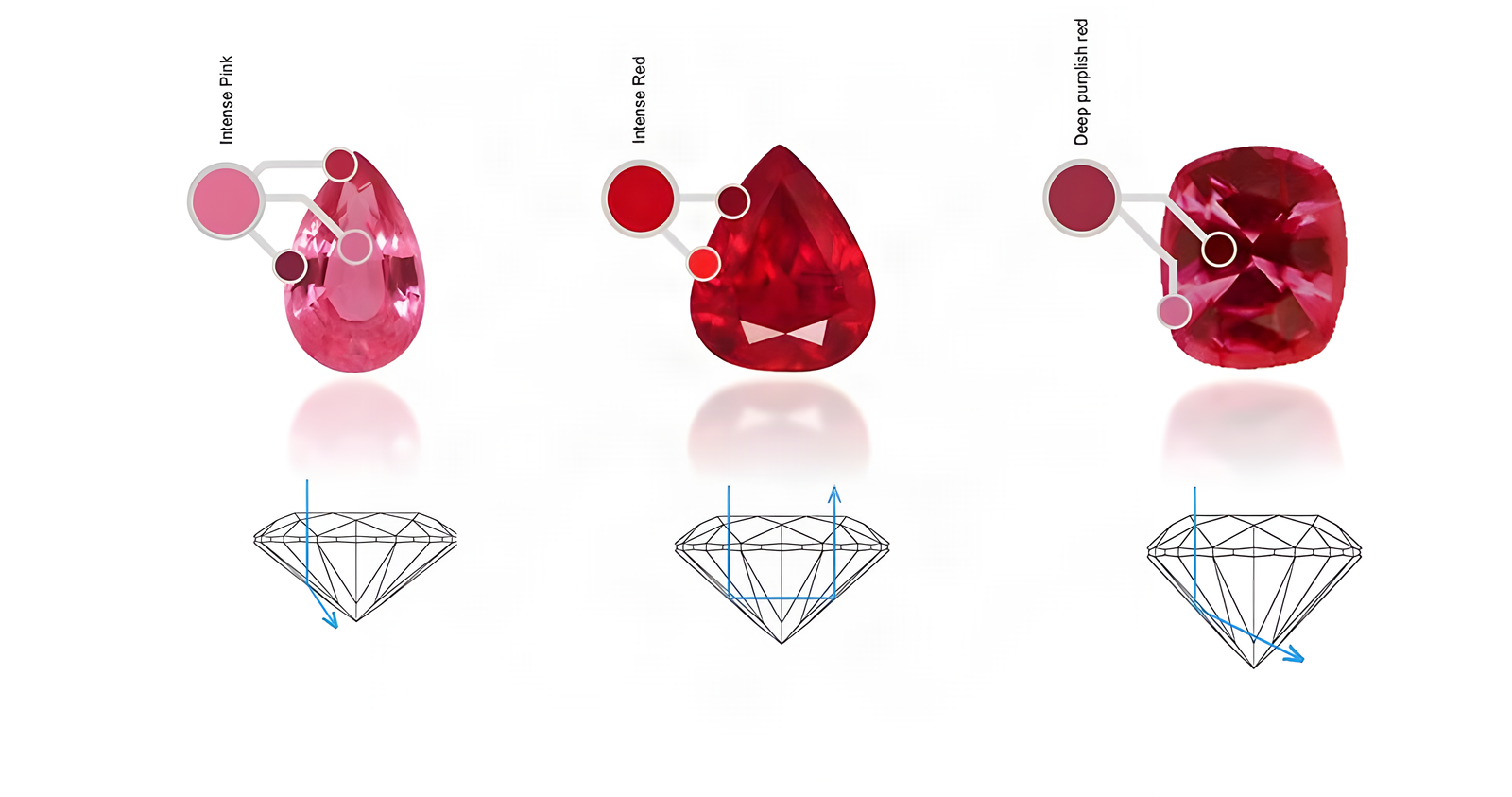
Zoning isn't always about a single stone splitting into two colors you'd call different. More often it's subtler — the same stone genuinely earning slightly different color-grade names depending on exactly where within its face-up view you're reading from. These three real stones (material supplied directly by Bellerophon Gemlab) each carry two or three legitimate readings inside one gem, plus the light-direction diagram showing why: the angle a ray travels through the crystal changes which internal path it takes, and that changes what comes back out.
Same crystal, same weekend — before and after recutting
Not a spinel this time — a tanzanite, chosen because the effect is so dramatic it's impossible to miss. Same rough, same crystal, the same window problem we've been describing in the abstract. 31.45ct before, 27.21ct after — 13.5% of the weight, sacrificed to close the pale patch dead center and let the colour reach the edges instead.
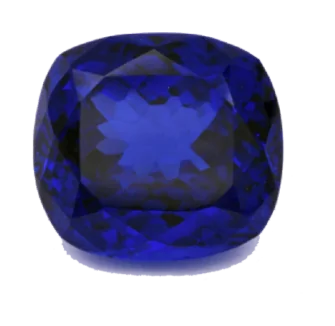
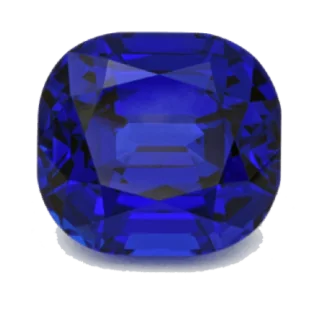
This is the honest trade-off cutters weigh constantly: keep the extra carats and live with the window, or lose some weight and gain colour that reaches every corner. For a buyer, the lesson carries straight over to spinel — a slightly smaller, better-cut stone can genuinely outperform a bigger one with a hollow center.
"Vivid" is not a compliment. It's a coordinate.
Independent colour laboratories grade saturation on a scale that runs from grey or brown, at one end, to vivid at the other. Vivid is the top step of that scale — a precise position, not a marketing adjective. "Vibrant" does have a formal definition too, at GRS — but it's not about colour at all. It's a cutting-quality award, describing exceptional light return from optimal proportions. Sellers use it as a fancier synonym for "vivid" so often that almost nobody selling you a "vibrant" stone means what the term actually says.
Hue · Tone · Saturation
The three axes independent laboratories grade against. Hue is the dominant colour family, named with a modifier — "orangy red", "purplish pink" — the modifier always comes first. Tone is light-to-dark. Saturation is dull-to-vivid. A full grade needs all three; any one alone is incomplete.
Vivid Open · Vivid Deep
Not our invention — genuine trade vocabulary we're simply pairing and defining precisely. Gemologists already call a light-toned stone "open" when internal light-play is visible through the facets, and an overly dark one "closed" when it starts absorbing rather than returning light. GRS's own official scale separately uses "vivid to deep" as a real transitional grade. We've paired the two: light-to-medium tone at vivid saturation (Open — luminous, glows outward) versus medium-to-dark at the same saturation (Deep — dense, pools toward the centre). Same saturation grade, two different characters.
One chromophore, two market categories
Scientifically, there's no hard line — one independent lab's own color model states it outright: pink is simply a lower-saturation, lighter-tone version of red, on the exact same chromium continuum. Some labs' notation reflects that directly. But trade reality runs differently: buyers search for "pink spinel" and "red spinel" as distinct products with distinct price expectations, and the major independent labs still issue separate named grades for each on their certificates. We keep them as separate wedges on our wheel for that trade reason — while being upfront here that the physics underneath is one continuous slide, not two separate colours.
Saturation is the single biggest price lever
Per-carat price bands, commercial through Jedi-grade. Scale is logarithmic — the gap from "commercial" to "Jedi" is roughly 100×, not a straight line.
Every deposit has a signature
Colour alone can never replace a certificate — but experienced eyes learn to read the tells. Chemistry, inclusions and local trade names combine into a signature that's often recognisable before a stone is even tested.
Three things worth knowing before you buy
Untreated is spinel's baseline, not its premium
In sapphire, "unheated" can add 30–50% to the price precisely because it's rare. In spinel, the situation is reversed: the overwhelming majority of stones on the market are completely untreated, with no heat, no irradiation, no fracture filling. It's one of the few gem categories where natural, unenhanced colour is simply the default state — which makes treatment disclosure a much smaller worry here than almost anywhere else in coloured stones.
The Hope Spinel
A 50.13-carat rose-coloured spinel from the collection of London banker Henry Philip Hope sold at Bonhams in 2015 for £962,500 — a record that reflects how far collector recognition of spinel has come from its centuries as "just" a substitute for ruby.
Orange shows up as a guest, rarely as the host
Orange turns up constantly in spinel — as a modifier. "Orangy red" and "orangy pink" are genuinely common, and we cover both within the Red and Pink varieties. Pure orange as the dominant hue in its own right, though, is one of the rarest calls in the whole species — rare enough that we couldn't responsibly build out a full colour-range for it the way we have for the other six. We'd rather leave it out than fake a range we don't have real material for.
Spinel gets oiled too — just not as often as emerald
We said untreated is the baseline, and it is — the vast majority of spinel on the market never sees a treatment of any kind. But "vast majority" isn't "all," and the honest exception deserves its own space, not a footnote.
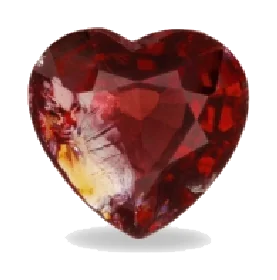
Same stone. The visible feather is genuinely there either way — oil simply changes its refractive index enough to make it far less visible face-up.
"We are seeing oiled stones outside of emerald every single day in the lab." — Billie Hughes, Lotus Gemology
That observation prompted the Roskin Gem News Report to ask major independent labs whether they were seeing the same pattern. The response was remarkably consistent: Lotus Gemology, SSEF, Gübelin, GIA, and AGL all reached the same conclusion — any gemstone with a surface-reaching fissure can be fracture filled, spinel included. This isn't an emerald-specific loophole; it's physics, and it applies to the crystal, not the species.
Here's the part worth sitting with: nobody bothers fracture-filling a stone nobody wants. Treatment follows demand — nobody was oiling spinel by the truckload back when it was dismissed as ruby's understudy. The fact that labs are now finding it worth flagging is, in its own quiet way, confirmation that spinel stopped being "semi-precious" a while ago.
Practical takeaway: ask for disclosure the same way you would with emerald, especially on stones with visible surface-reaching fractures. It's not a red flag — it's a normal question with a normal answer.
What inclusions actually tell you
An inclusion isn't a flaw to tolerate — it's information. A trained eye (or a lab's laser) reads the specific mineral trapped inside a spinel the way a geologist reads rock strata: each species points toward a limited set of deposits, because the trace minerals available to get trapped depend entirely on what else was in the ground when the crystal grew.
Apatite alone doesn't prove much — it turns up almost everywhere. But apatite with a distinctive "belly button" of ilmenite or graphite on its surface is a specific, recognisable signature most associated with Myanmar and Sri Lanka. Mica (phlogopite) shows up specifically in material from Tanzania's Mahenge and Vietnam's Luc Yen. Lazurite — vivid blue trapped inside a grey host — has so far only ever been documented in one place on Earth: Mogok, Myanmar.
This is also, practically, how independent labs confirm origin at all — and inclusions are only half of it. The chemistry does the heavier lifting: labs fire a tiny, near-invisible laser at the stone and read the trace elements it releases, not just what's trapped inside it. Iron-to-chromium ratio is the one we've already covered for red saturation and fluorescence, but zinc and gallium levels are what actually separate spinel from different metamorphic deposits — Mogok material carries a different trace signature than Mahenge or Luc Yen material, even when the colour looks identical face-up.
Inclusion identification then cross-checks that chemistry against a known locality fingerprint, increasingly by matching the exact light signature of the trapped mineral rather than eyeballing through a loupe. Neither tool alone is conclusive — together, they're what a lab report's "Origin: Myanmar" is actually built on.
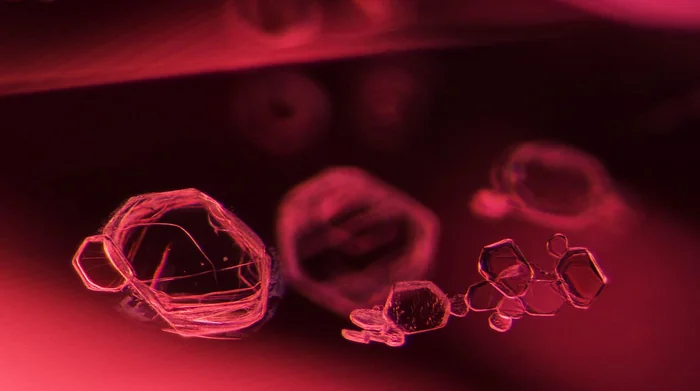
Photomicrographs below: E. Billie Hughes, John I. Koivula, Richard W. Hughes, Nathan Renfro — Lotus Gemology, "Spinel Inclusions: An Exercise in Aesthetics" (2019). Used for education; all rights remain with the photographers.
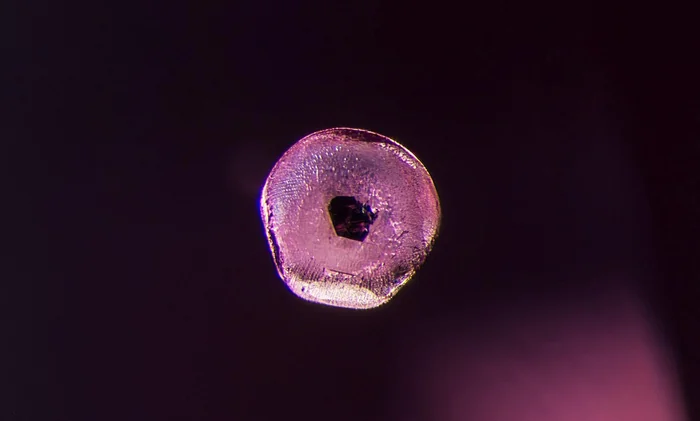
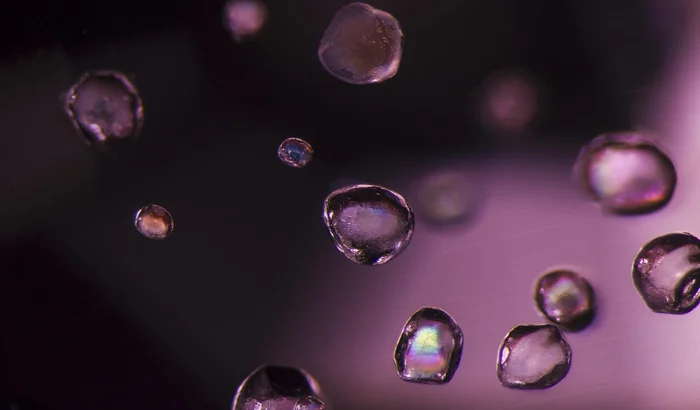
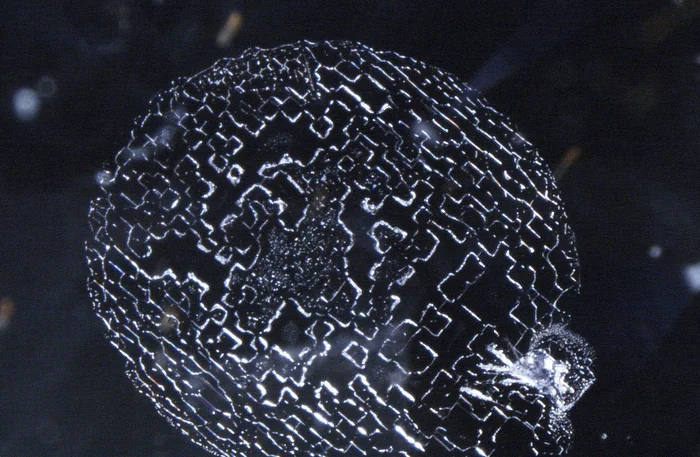
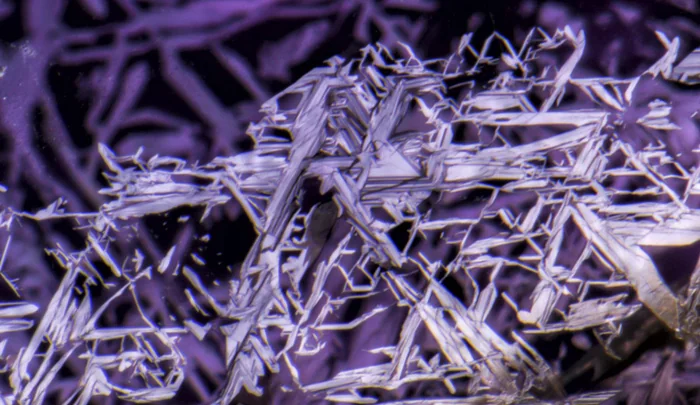
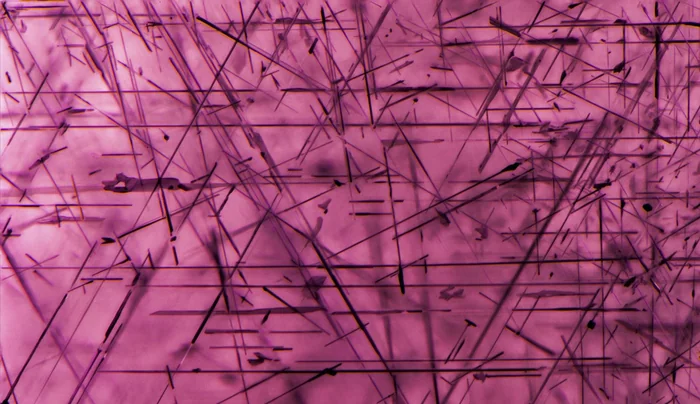
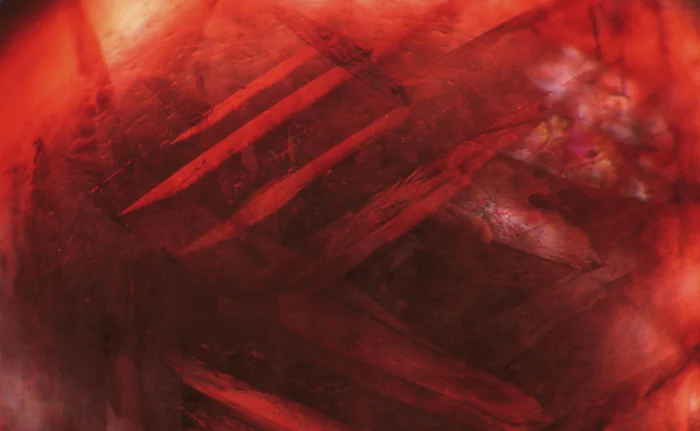
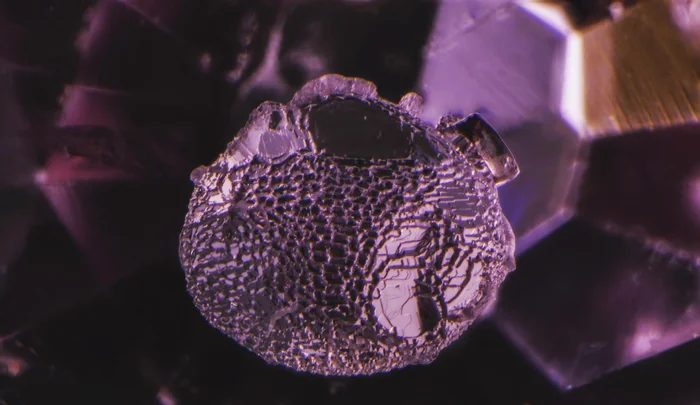
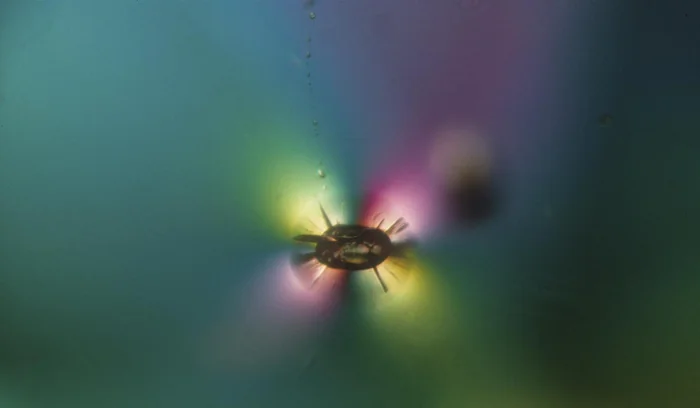
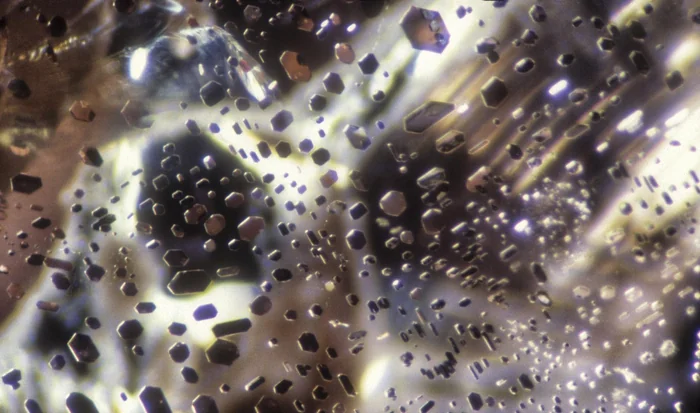
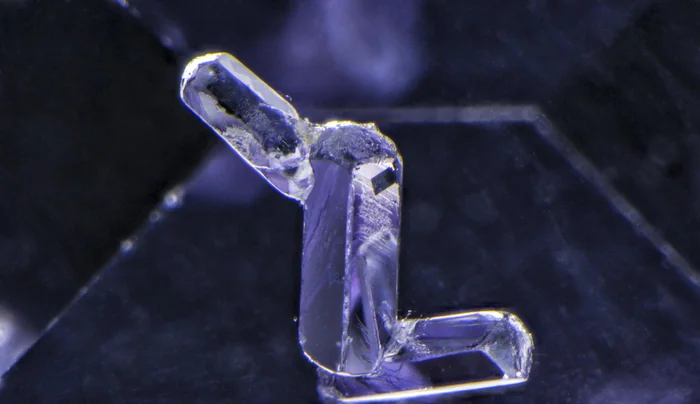
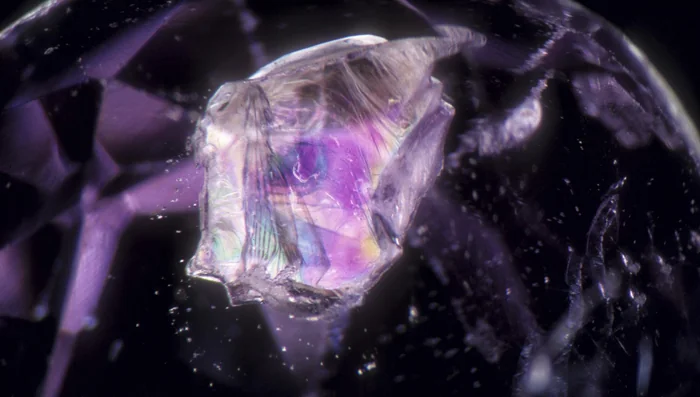
A three-phase inclusion in a Sri Lankan spinel — liquid, a gas bubble, and black graphite flakes, all sealed inside the same cavity since the crystal formed. The contents are genuinely free to drift within the void; these two frames are the same inclusion, moments apart.
What a certificate actually says
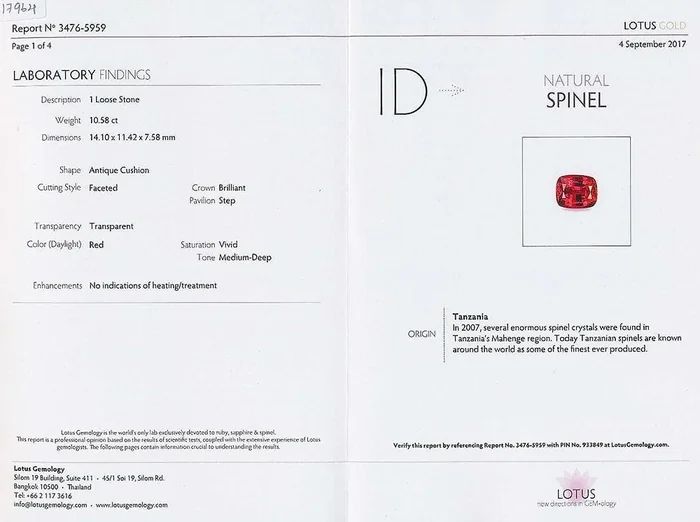
Every field on a lab report means something specific — and most of it is jargon until someone explains it once. Here's a real Lotus Gemology certificate for a 10.58ct Tanzanian spinel, annotated field by field in plain language.
Not all certificates carry the same weight
This is our own honest ranking, built from years of reading reports from every major lab — not a universal law, just where our trust actually sits, and why.



This ranking reflects our own trade experience, not an industry standard — plenty of honest dealers would order it differently.
The spinel glossary
Every niche has its own shorthand. Here's the vocabulary that actually gets used around a loupe, not textbook Latin.
The cuts spinel actually wears
Cutting style is a real factor in a stone's final look, same as hue or saturation. These four turn up again and again on real spinel — each one a genuine trade-off between weight retention, brilliance, and how forgiving the shape is of a crystal's natural growth habit.
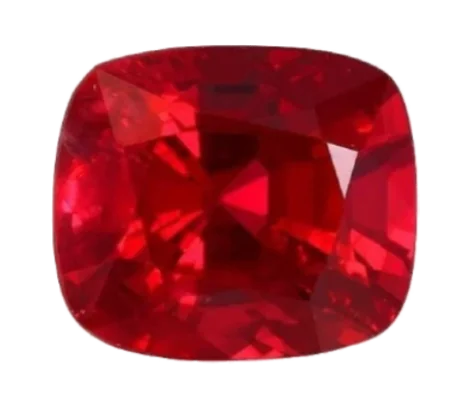
Cushion
The single most common shape for fine spinel, and not by accident — spinel's natural octahedral crystal habit cuts down into a cushion with very little waste. Rounded corners, a pillow-like outline, usually a brilliant facet pattern.
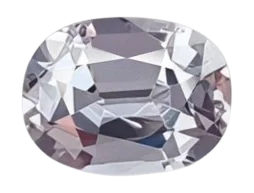
Oval
An elongated brilliant that maximizes visible face-up size relative to actual carat weight — a favourite where the rough allows it, since it tends to look larger than a round or cushion of the same weight.
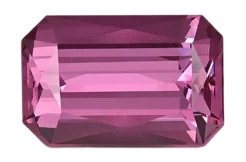
Emerald / step cut
Parallel, rectangular step facets instead of triangular brilliant ones — built to show off exceptional clarity rather than maximum sparkle. Less forgiving of included material, since step facets act like a hall of mirrors for any flaw.
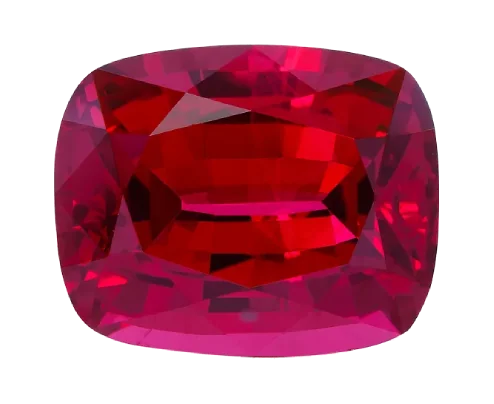
Mixed cut
Brilliant facets on the crown, step facets on the pavilion — the best of both, and genuinely common on fine spinel specifically (we cover a real certificate with exactly this cutting style earlier in this atlas).
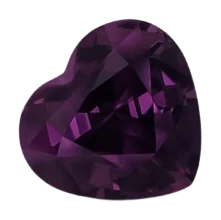
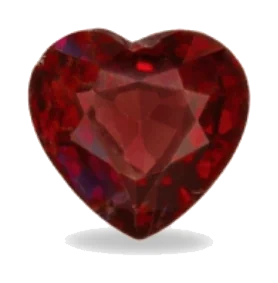
Heart
A fancy shape that sacrifices real weight to the outline itself — genuinely more common as a collector or sentimental choice than a value-maximizing one. Demands a clean, well-centred cleft to look intentional rather than accidental.
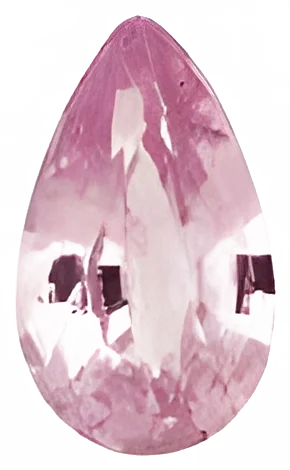
Pear
A teardrop hybrid of round and marquise — asymmetric by design, worn point-up or point-down depending entirely on personal taste. Efficient at retaining weight from an elongated rough crystal.
Round brilliant
The shape built for maximum light return above all else — genuinely rare on fine spinel specifically, since it sacrifices the most rough weight of any shape relative to the octahedral crystal spinel actually grows in.
A small honesty note: the pear and round examples above come from an independent lab's general colour-reference material rather than our own certified spinel collection — the shape itself is accurate, but we can't personally confirm species on those two specific stones the way we can on the rest of this atlas.
Two of the world's most famous "rubies" aren't rubies
The Black Prince's Ruby & the Timur Ruby
Set in the British Imperial State Crown and once owned by Mughal emperors, both stones were prized for centuries as rubies of enormous size. Both are, in fact, red spinel. Until 18th-century mineralogy split the two species apart, "balas ruby" — spinel's old trade name, from Badakhshan — was simply another word for ruby. Spinel wore ruby's name for longer than it has worn its own.
What people actually ask us about spinel
Why does spinel fluoresce under UV light?
Chromium is the cause — the same trace element responsible for red and pink colour. Red and pink spinel, especially from Myanmar, often glow a strong red-orange under long-wave UV, even visible in dim daylight. Not every spinel fluoresces; iron in the crystal actively suppresses the effect, which is why blue and grey material rarely shows it.
What's the difference between spinel and ruby?
They're entirely different mineral species that happen to form in the same geology and share the same red colour cause (chromium) — which is why so many historic "rubies," including the Black Prince's Ruby, turned out to be spinel. Ruby is corundum and shows pleochroism (different colour from different angles); spinel is isotropic and doesn't.
Is spinel treated or enhanced?
Usually not — untreated is spinel's baseline, not a premium claim, unlike most other coloured gems. The honest exception: stones with a surface-reaching fracture can be oil or resin filled, the same way emerald is. Ask for disclosure on any stone with a visible feather, same as you would with emerald.
What makes a spinel "vivid"?
Vivid is a specific saturation grade, not a marketing adjective — the top step on the scale independent labs use to grade colour intensity, sitting alongside hue and tone as one of three separate axes. A lab-certified "Vivid Red" sits at a measurable, repeatable position, not a subjective impression.
What is "cobalt blue" spinel, and why is it rare?
It's the only gemstone species where cobalt itself is the chromophore behind a genuine blue — sapphire's blue comes from iron and titanium instead. Luc Yen, Vietnam is the benchmark source for the most saturated material; Tanzania and Sri Lanka produce genuine cobalt-coloured spinel too, just not at Luc Yen's ceiling.
Is spinel a valuable gemstone, or just a ruby substitute?
Modern spinel is priced and collected on its own terms — the "ruby substitute" reputation is a 18th-century mineralogical accident, not a reflection of current value. A 50.13ct historic spinel sold for £962,500 at Bonhams in 2015, and fine cobalt blue and vivid red material now commands prices that rival mid-tier sapphire.
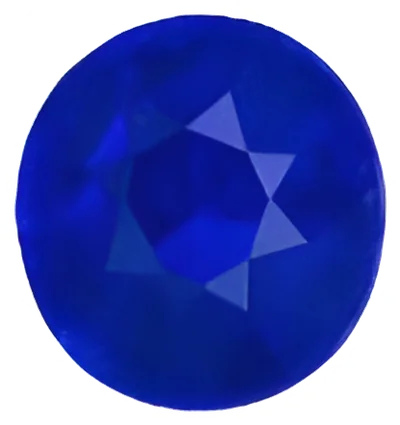
Guess the hue
A real photograph, pulled from our own saturation collections. 20 rounds — guess the hue first, then (if you're right) the harder follow-up: where that same stone actually sits on the saturation scale.